Geometrical Abstract 3D Pattern Design for Modern Graphics
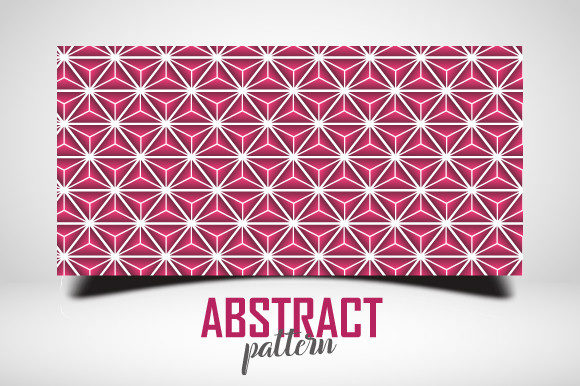
When I first opened the file for Geometrical Abstract 3D Pattern Design, my immediate reaction was one of professional curiosity. As a designer who spends hours refining visual identities for small businesses and handmade brands, I am always scanning for assets that offer depth without overwhelming the core message. This specific pattern brings a sophisticated, tactile feel to the table. It is not merely a flat background; it possesses a three-dimensional quality that suggests movement and structure. For a client project involving a boutique product line or a seasonal marketing campaign, this asset could be the missing link between a generic layout and a polished, high-end look.
The mood created by these geometric shapes is modern yet approachable. It avoids the sterility of corporate minimalism while steering clear of chaotic complexity. The 3D effect adds a layer of intrigue that draws the eye, making it an excellent candidate for hero graphics on a website or as a backdrop for social media posts. When I imagine using this in a real-world scenario, I see it perfectly suited for a creative marketplace seller launching a new collection of printable wall art or a digital seller creating a design bundle for Cricut users. The visual texture implies quality, which is crucial when building trust with an audience looking for premium goods.
Elevating Brand Identity and Packaging
In the realm of brand identity, consistency is king. A well-chosen pattern can unify a brand across various touchpoints. Geometrical Abstract 3D Pattern Design offers a versatile foundation for packaging design. Imagine applying this motif to the interior of a product box for a handmade soap company or wrapping paper for a local artisan shop. The 3D elements catch the light differently depending on the angle, adding a dynamic element that flat prints often lack. This is particularly effective for print-on-demand sellers who need to differentiate their merchandise from mass-produced items.
For logo design and supporting brand elements, this pattern serves as a powerful accent. While it might be too busy to serve as the primary logo mark itself, it works beautifully as a background texture behind a clean, sans-serif font. I have seen similar assets used effectively on business cards where the pattern fades into white space, allowing the contact information to pop. The key is balance. By placing this graphic behind a solid color block or a transparent overlay, you create a sense of depth that elevates the entire piece. It transforms a standard flyer into something that feels curated and intentional.
Practical Applications Across Digital and Physical Media
The versatility of this design asset extends far beyond simple backgrounds. In editorial design, such as a blog post about interior trends or a magazine feature on modern home decor, this pattern can break up text-heavy sections and keep the reader engaged. For web design, it makes an excellent choice for section dividers or footer backgrounds, provided the contrast is managed correctly. It adds a layer of visual interest that prevents a website from feeling static.
Digital creators will find immense value in this file for projects ranging from Pinterest pins to Instagram stories. Social media graphics often struggle with standing out in a crowded feed. A background featuring Geometrical Abstract 3D Pattern Design can provide the necessary visual weight to stop a user from scrolling past your content. Furthermore, for those involved in sublimation design, this pattern translates well to physical products like mugs, tote bags, and t-shirt designs. The vector nature of the original Adobe Illustrator file ensures that scaling the design up for a large banner or down for a sticker does not compromise the crispness of the edges.
When considering a design bundle for commercial use, this asset fits seamlessly alongside other modern design elements. It pairs well with display fonts for headlines, creating a bold statement, or with script fonts for a more elegant, handcrafted feel. For example, a wedding invitation suite could utilize this pattern for the envelope liner, offering a contemporary twist on traditional stationery. Similarly, for a Cricut project involving vinyl decals, the clean lines of the geometry ensure that the cutting process remains precise, resulting in a professional finish on custom stickers or car decals.
Navigating Layout Challenges and Readability
While the aesthetic appeal of Geometrical Abstract 3D Pattern Design is undeniable, a seasoned designer knows that context is everything. There are scenarios where this asset requires careful handling. In layouts that are already crowded with text, images, and other graphical elements, adding a complex 3D pattern can create visual noise that distracts from the main message. If the goal is to convey a clear call to action, the pattern should be subdued or placed in negative space.
Readability is another critical factor. Using this pattern as a direct background for body text is generally ill-advised unless the text has a strong drop shadow or is placed within a solid-colored container. The interplay of light and shadow in the 3D design can sometimes interfere with the legibility of thin or light-weight fonts. For minimalist branding projects that rely on stark simplicity, this pattern might feel too ornate. In professional corporate materials where the tone must be strictly serious and unadorned, a simpler geometric grid would likely be a safer choice. However, for lifestyle brands, creative agencies, and artistic ventures, the added texture is a distinct advantage.
Essential Technical Checks Before Commercial Use
Before committing to using this graphic in a final client deliverable, there are several practical steps every designer should take. First, test the pattern in black and white. This helps verify that the 3D effect relies on shading rather than just color, ensuring it remains effective if printed on monochrome equipment or viewed by someone with color vision deficiencies. Next, check the contrast on both light and dark backgrounds. You want to ensure the pattern does not disappear into the background or clash violently with foreground elements.
Previewing the asset at various sizes is non-negotiable. Zoom out to see how it looks as a full-page background, then zoom in to inspect the details of the vector paths. If the file includes PNG transparency, inspect the edges to ensure there are no jagged artifacts that could ruin a high-resolution print job. For SVG files, review the editability of the layers; being able to isolate specific shapes allows for greater customization to match a client's specific brand palette. Finally, confirm the commercial license terms. Whether you are producing a single t-shirt design or a large-scale marketing campaign, understanding the usage rights protects both you and your client from potential legal issues.
In conclusion, Geometrical Abstract 3D Pattern Design is a robust tool for any designer looking to add dimension and modern flair to their work. From enhancing product mockups to defining the visual hierarchy of a website, its potential is vast. By approaching it with a critical eye and testing it rigorously in real-world applications, designers can leverage this asset to create visuals that are not only beautiful but also strategically sound. For anyone seeking to elevate their creative output, this pattern represents a valuable addition to a professional toolkit.