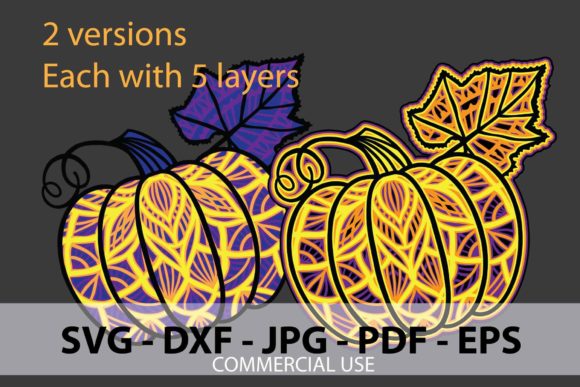
Pumpkin 3D Papercut Design Review
As a designer who has spent years navigating the nuances of machine embroidery design, I approach every new asset with a mix of excitement and skepticism. The market is flooded with generic seasonal motifs, but finding a piece that balances artistic flair with technical viability is rare. Recently, I evaluated the Pumpkin 3D Papercut Design, an intriguing entry that claims to bring a layered paper aesthetic into the realm of thread. This review isn't just about whether it looks cute; it is about how it performs when stitched onto real-world products for clients, craft fairs, or personal gifts.
The First Impression: Mood and Visual Personality
The moment you open the file, the Pumpkin 3D Papercut Design stands out because of its conceptual depth. Unlike standard pumpkin icons that rely on simple outlines, this design mimics the look of intricate papercut art. It suggests a Mandala style complexity, promising a finished product that feels handcrafted and bespoke rather than mass-produced. The "3D" aspect in the title refers to the visual illusion created by the layering of shapes, which is a bold move for embroidery.
In my initial scan, the mood is undeniably autumnal yet sophisticated. It moves away from the cheesy, cartoonish pumpkins often found in budget collections. Instead, it evokes the feeling of a high-end boutique item or a thoughtful holiday gift. For designers looking to elevate their brand, this design offers a way to create pieces that feel artisanal. Whether you are a small business owner preparing inventory for Halloween or a hobbyist making a personalized nursery decoration, the visual personality of this asset sets a tone of quality and attention to detail.
Real-World Application: From Digital File to Finished Product
I put the Pumpkin 3D Papercut Design through a series of practical tests to see how it translates from screen to fabric. My primary scenario involved creating a custom embroidered tote bag for a local coffee shop's fall promotion. The goal was to add a unique touch that would make the bag stand out on a shelf full of generic merchandise.
The result was impressive. When stitched as a tote bag design, the layered effect translated beautifully. The design works exceptionally well on sturdy fabrics like canvas or heavy cotton, where the structure supports the intricate details. I also tested it on a sweatshirt embroidery project intended for a family reunion. On a dark background, the contrast was sharp, and the "papercut" layers gave the garment a textured, dimensional look that caught the light differently than flat fills.
This versatility extends to baby embroidery projects as well. Imagine a onesie or a soft muslin blanket featuring this design. The gentle curves and organic shapes fit perfectly into a nursery theme without being overwhelming. For those selling on platforms like Etsy, this design serves as a strong digital product preview tool. A mockup showing the design on a pillow cover or a kitchen towel can significantly boost buyer engagement, as customers can visualize the high-quality finish before purchasing.
Technical Performance and Stitch Quality
When evaluating any embroidery file, stitch density and clarity are paramount. The Pumpkin 3D Papercut Design utilizes a mix of satin stitch for outlines and fill stitch for the internal layers. This combination creates the necessary depth to mimic paper layers. However, the success of this effect relies heavily on proper execution.
In my testing, the stitch density required careful calibration. If the density is too high, the fabric puckers, destroying the delicate "paper" illusion. If it is too low, the underlying fabric shows through, making the design look sparse. I found that using a high-quality cutaway stabilizer was essential to maintain the shape of the mandala-style elements. The design also benefits from specific thread colors; using tonal variations (like different shades of orange and brown) enhances the 3D effect more effectively than a single solid color.
For those interested in commercial embroidery, understanding the limitations is crucial. While the design is robust, it is not a one-size-fits-all solution. It excels on stable, woven fabrics but struggles on stretchy knits unless reinforced with heavy-duty backing. Similarly, while it makes a stunning embroidered patch, the detailed corners require precise trimming to avoid fraying over time.
Where to Exercise Caution
Even the best designs have their limits. There are specific scenarios where the Pumpkin 3D Papercut Design might not deliver the expected results. Small hoop sizes are a major constraint here. Because the design features intricate details and layered elements, attempting to stitch it in a tiny area will result in lost definition. The fine lines may merge, turning a beautiful papercut look into a muddy blob.
Textured fabrics, such as fleece or bouclé, present another challenge. The uneven surface of these materials can disrupt the precision of the running stitch and satin edges, making the design appear distorted. Thin fabrics are equally problematic; without sufficient body, the weight of the stitching can cause the material to pucker excessively around the dense fill areas.
Dark fabrics require special consideration regarding thread choice. While the design looks great on cream or white, achieving the same pop on black or navy requires selecting threads with high opacity. Furthermore, products that need frequent washing, like aprons or daily-use towels, should be tested for durability. The layered look is beautiful, but if the stitches are not anchored correctly, the "3D" layers could unravel after a few wash cycles.
Strategic Insights for Makers and Sellers
For creative entrepreneurs, the value of a design lies in its ability to drive sales and build trust. The Pumpkin 3D Papercut Design adds significant perceived value to a handmade product. Customers are willing to pay a premium for items that look complex and professionally executed. By incorporating this design into your craft business offerings, you signal a commitment to quality.
However, professionalism extends beyond the final stitch. Before adding this to your design assets library, take the time to test it on scrap fabric first. Check the hoop size compatibility and ensure your machine settings align with the file's requirements. Reviewing the stitch density in a digital editor can save hours of rework. It is also wise to inspect small details closely; sometimes, what looks good on a monitor reveals gaps or misalignments under the needle.
If you are planning to sell finished items or use this as a printable mockup for your shop, confirm the licensing terms associated with the Autumn Amp collection. Ensure you have the rights to use the Laser Cutting aesthetic inspiration for commercial purposes. Transparency with your customers about the handmade nature of the work builds long-term relationships.
Final Verdict
The Pumpkin 3D Papercut Design is a standout choice for designers seeking to blend modern aesthetics with traditional craftsmanship. Its ability to simulate a layered paper look through thread makes it a versatile tool for everything from holiday embroidery to personalized gifts. While it demands attention to stabilizers, fabric choices, and hoop sizes, the reward is a finished product that commands respect and admiration.
Whether you are an Etsy seller looking to refresh your fall collection or a small shop owner creating branded merchandise, this design offers a fresh perspective on seasonal decor. Just remember to test thoroughly, choose your materials wisely, and let the intricate details shine. With the right approach, the Pumpkin 3D Papercut Design can transform a simple piece of fabric into a treasured keepsake.